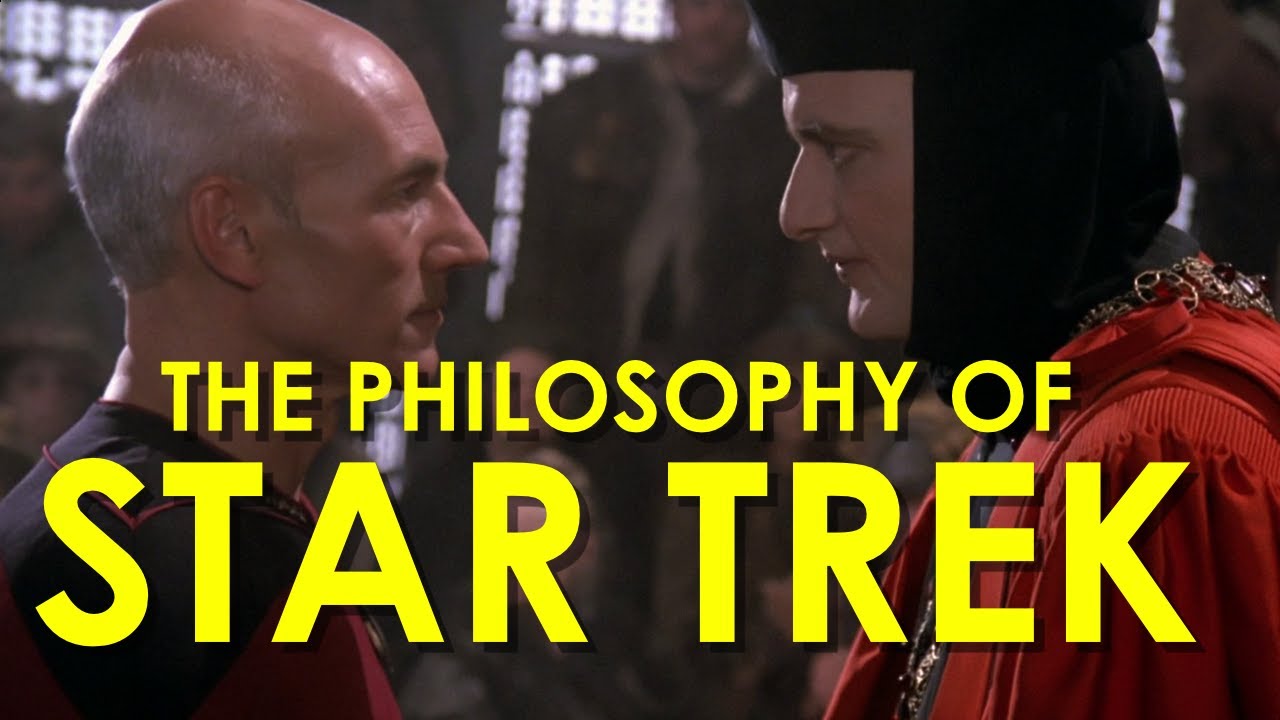
The Star Trek mythos is renowned for its optimistic vision of the future, offering a contrast to the bleak futures depicted in much of science fiction. It presents a world where humanity has moved beyond prejudice, poverty, and war. Although optimistic, Star Trek suggests that humans are not inherently good and must actively strive to control their darker instincts to progress.
In various episodes, such as "A Taste of Armageddon," Star Trek presents humans as inherently brutish, but with the potential to overcome their base instincts through wisdom and intelligence. This aligns with Thomas Hobbes' philosophy that humans, driven by fear, need governance to avoid a "war of all against all." Star Trek's portrayal suggests that while humans have savage inclinations, these can be managed to allow for peace and progress.
Moreover, Star Trek posits that societies advance linearly from primitive to enlightened stages, often marked by technological milestones like the invention of warp drive. However, this view has been challenged by recent anthropological studies that show societies evolve on unique paths based on their context. Additionally, the series suggests that while technology enhances life, it must be tempered with human wisdom to avoid its pitfalls, as seen in its cautionary tales about over-reliance on technology.
Star Trek offers a vision of a future where humanity's betterment is contingent upon controlling its nature and wisely utilizing technology. However, it also leaves the responsibility for creating a utopian future on individuals rather than systemic change, thereby raising questions about its practicality in addressing real-world issues.
Despite its shortcomings, Star Trek has inspired many with its hopeful outlook, but the article suggests that embracing Rousseau's view of intrinsic human goodness could offer a more nuanced perspective on humanity. By recognizing humanity's innate social tendencies rather than a predisposition toward savagery, new ways to achieve collective progress may be realized.