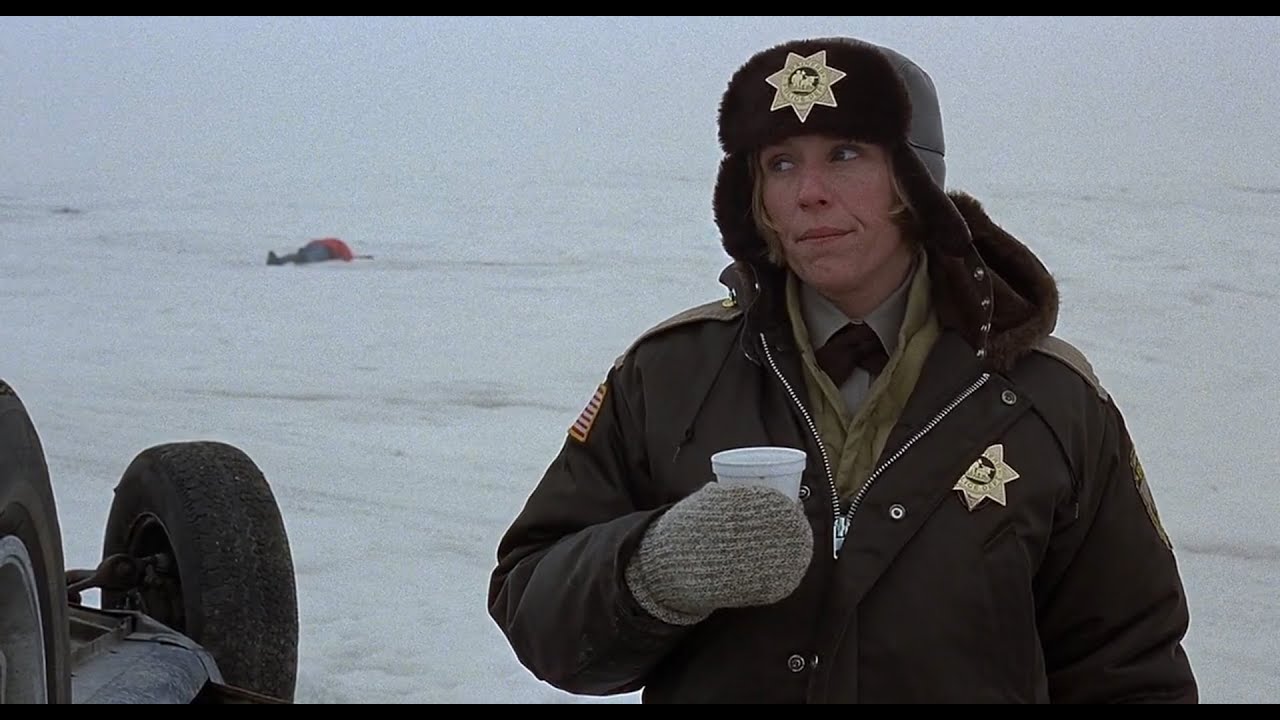
The simplest element in film grammar is often the shot-reverse shot, a staple in dialogue filming. While many directors use it as a straightforward way to capture conversations with multiple cameras and takes, the Coen brothers bring precision to its execution. Known for their mastery of dialogue scenes, Joel and Ethan Coen's approach is characterized by simplicity and exactness.
One notable feature of their style is filming from within the conversational space, placing the camera between characters to capture individual shots or 'singles.' This contrasts with directors like Paul Greengrass, who opt for long lenses that make the audience feel like an unnoticed observer. Instead, the Coens and cinematographer Roger Deakins choose wide lenses, creating a feeling of involvement.
By using wide lenses and positioning the camera closer, scenes feel intimate and present, stirring an uncomfortable yet humorous tone. This style complements their narrative theme of individuals trapped in uncontrollable situations, intensifying the audience's engagement with characters.
Visually, the Coens often use a 27mm or 32mm lens, accentuating actors' facial features and camera movement, which adds dynamism and lifelike quality. Environmentally, their shots balance characters with their surroundings, efficiently characterizing even minor roles.
A key element in their technique is the rhythmic editing of dialogue, which transcends mere verbal exchange. The Coens' timing and spacing create a nonverbal rhythm, enhancing humor and empathy in scenes.
Their unique blend of comedy and tragedy, expressed through intimate single shots, challenges conventional filming distinctions. By placing the camera in close proximity with a wide lens, the Coens' narrative approach inverts traditional perceptions of comedy and tragedy, making each dialogue scene richly layered beyond the spoken word.