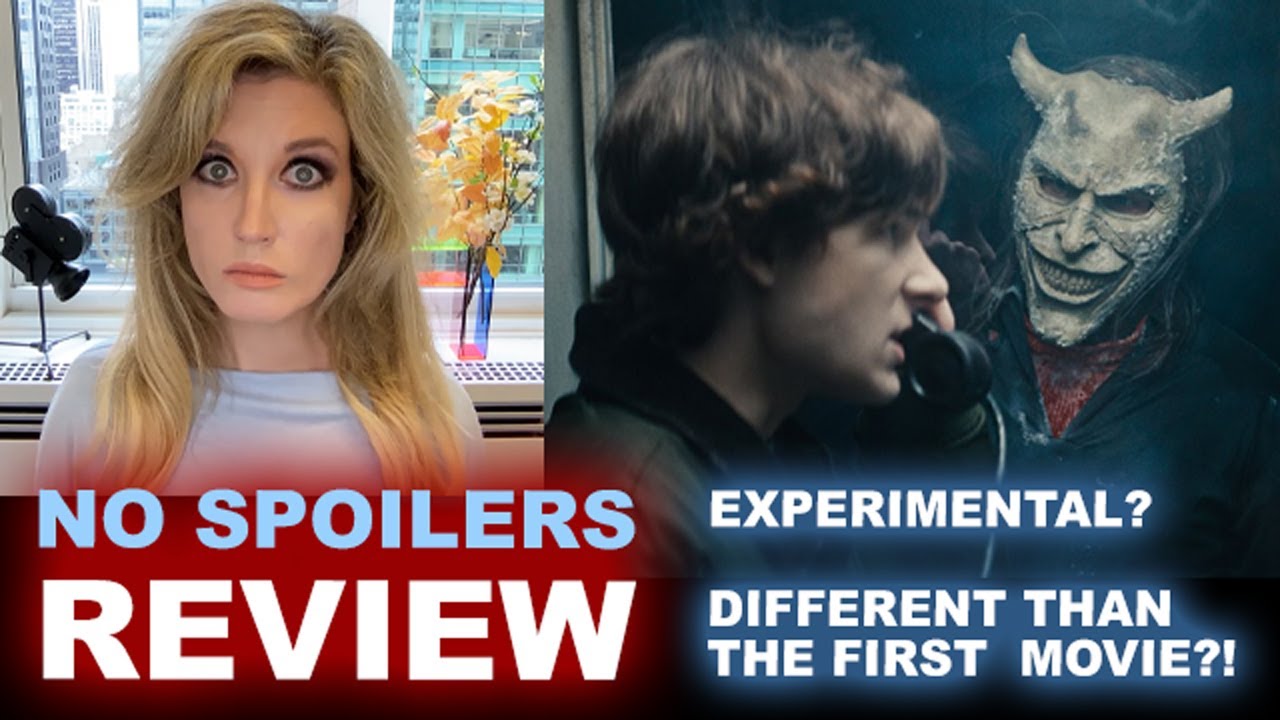
'The Black Phone 2' has emerged as a surprising successor to its predecessor, offering a more experimental approach than anticipated. The sequel, directed by Scott Derrickson, shifts focus onto Gwen, the sister of the original lead, as portrayed by Maline McGrath. This choice has led to mixed reactions, particularly among audiences who are often wary of unexpected lead character swaps.
The film draws notable influences from supernatural horror films like 'The Conjuring', with Gwen and her brother battling spiritual demons. Unlike the original, which was grounded in the real-world battle against a kidnapper, the sequel immerses itself in the spiritual domain, with most of its action set at an eerie Christian youth camp amidst a mysterious storm.
With a runtime reliant on its spiritual themes, 'The Black Phone 2' explores fresh narrative territory but maintains connections to its roots through characters like the Grabber—a villain who continues to haunt the siblings. Ethan Hawk's presence, however, is speculated to be limited to his voice, supported by a body double behind the mask.
Both the intense experimental nature and the integrated Latino cultural themes of the film, such as tarot elements and character dynamics, seem to attempt an appeal to a broader audience, although their emphasis in marketing appears subdued. Notably, relationships and cultural representation could have been more prominent, potentially adding deeper layers to the story.
Derrickson's choice to frame the spiritual world using grainy, retro-styled cinematic techniques contributes an interesting aesthetic, albeit with pacing challenges that slow the film's start. Audience patience, it seems, is tested before the suspense gains momentum in the second act.
Performance-wise, Jeremy Davies reprises his role as the children’s father, confronting personal struggles mirroring the thematic undercurrent of trauma and coping mechanisms—a poignant portrayal given the genre's typical focus. Themes of substance coping styles draw parallel allusions to cultural characters like Shaggy from 'Scooby-Doo', insightfully examining survival tactics within horror.
Despite its divergence from mainstream horror expectations, 'The Black Phone 2' ambitiously attempts to carve out unique narrative and emotional spaces, suggesting potential for a franchise development path focused on sibling dynamics in horror tales. The film’s commercial viability might benefit from enhanced funding and narrative focus, balancing its spiritual exploration with grounded storytelling.
Overall, while intriguing, 'The Black Phone 2' may attract a niche audience open to its bold artistic direction, even if it falls short of widespread commercial success.