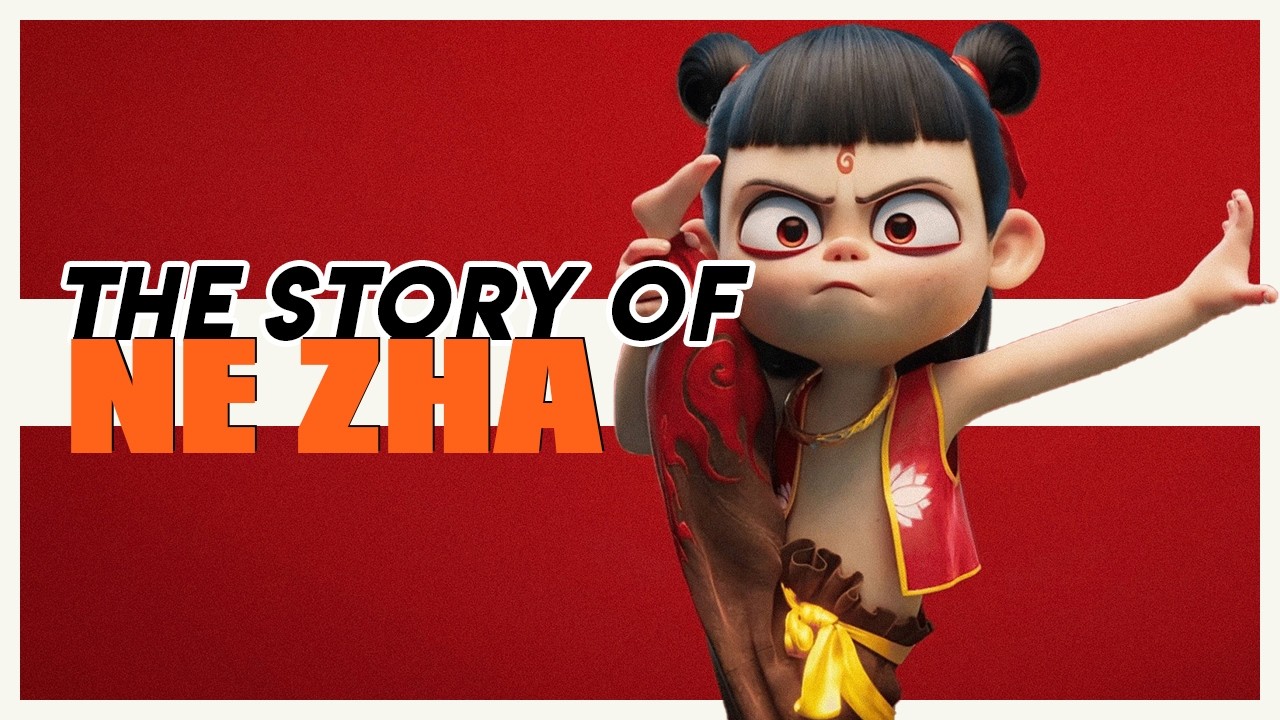
The Ne Zha series has captivated audiences worldwide, but its roots are deeply embedded in Chinese mythology, particularly derived from the Ming dynasty novel "The Investiture of the Gods." This novel, based on existing Chinese myths, has been a cultural cornerstone, particularly for Chinese audiences who are familiar with these age-old stories.
The character Ne Zha originally appears as a young hero in a mythological war against the tyrannical Shang dynasty, a narrative rich with gods and monsters. His origin story is filled with unique and bizarre elements that reflect the chaotic nature of ancient Chinese myths. Born from a lump of flesh believed to be a demon, Ne Zha's journey from a misunderstood child to a rebellious symbol is legendary.
Historically, Ne Zha’s story has undergone numerous adaptations, with the 1979 animated film "Nezha Conquers the Dragon King" becoming a cultural touchstone in China. These adaptations have progressively portrayed Ne Zha as a hero challenging authority, a narrative shift reflecting China's own historical changes, such as the end of imperial rule and the rise of a modern society.
In recent years, the 2019 animated film and its sequel have reinvented his story once more, presenting Ne Zha as the reincarnation of a demon orb, misunderstood and mistreated, ultimately challenging the notion of fate and destiny. This resonates with modern themes of empowerment and social mobility, aligning with the narrative that one's future should be self-determined, a cultural belief that has become prevalent in today's China.
Ne Zha's evolution as a character symbolizes the societal changes in China over the centuries, embodying the spirit of rebellion and self-determination. As cultural and historical contexts evolve, so does Ne Zha, an enduring icon of traditional resistance against unjust authority.