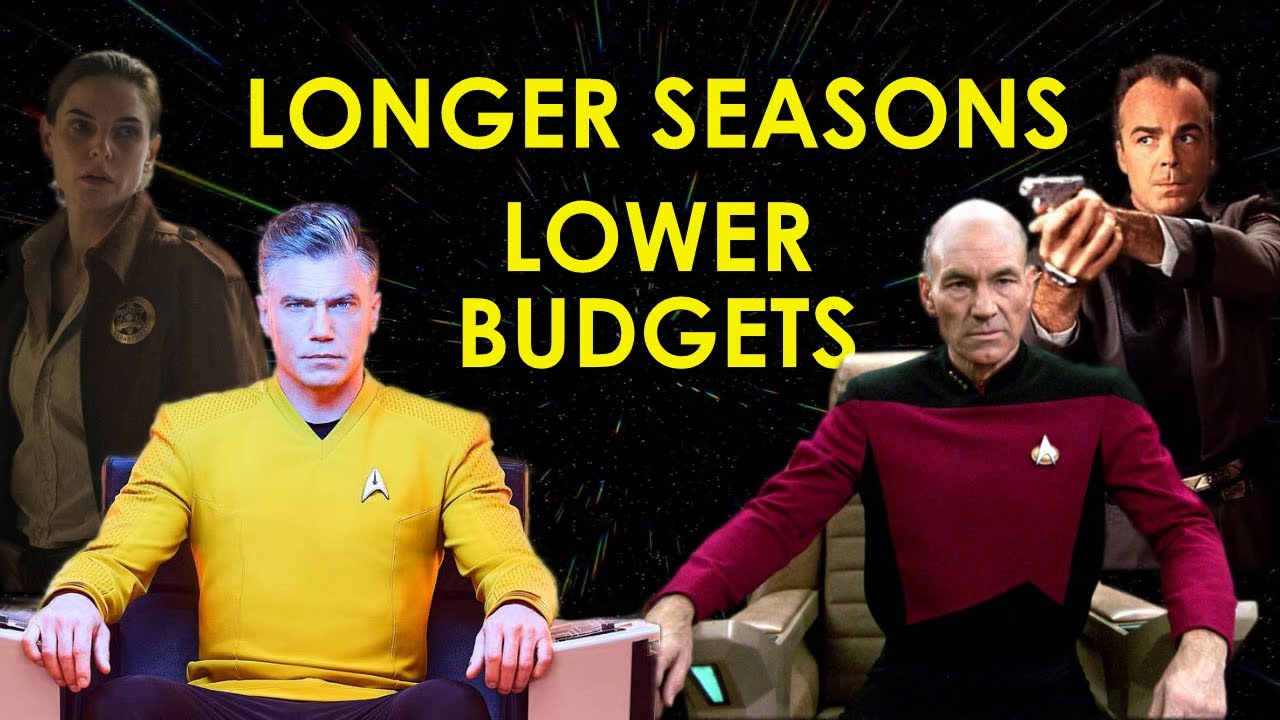
The landscape of TV series production has notably evolved over the past few decades, shifting dramatically from long-running, episodic seasons to shorter, high-budget serialized formats. This change has created both opportunities and challenges within the industry, impacting audiences and creators alike.
Traditionally, TV shows like 'Star Trek' offered 24 episodes per season, with storytelling mechanisms that included both episodic and serialized narratives. These formats allowed for character development across numerous stories while also enabling individual episodes to provide satisfying conclusions. This model not only kept audiences engaged on a weekly basis but also allowed new talent behind the scenes opportunities to develop their skills.
Today, however, a growing number of TV shows aim to mimic the production value and storytelling scope of feature films over fewer episodes. Shows like 'Stranger Things' and 'The Witcher' are becoming common, offering viewers 8-10 episodes of tightly controlled storytelling, which often results in high production costs and longer waiting periods between seasons. While this format allows for more focused plots, it can limit the breadth of storylines and restrict opportunities for industry newcomers.
This transition has sparked a discussion within the entertainment world about whether the current trends in TV series are sacrificing some of the traditional strengths that the medium had excelled in, such as diverse storytelling opportunities and the creative growth of writers and directors.
As the industry continues to search for the optimal balance between quality and quantity, both creators and audiences are left to adapt to the evolving narrative canvas that modern TV series production presents.