Siobhan Roy, played by Sarah Snook, is known for her complexity in the series 'Succession', stemming from her mix of ambition, vulnerability in relationships, and willingness to use duplicity. She embodies the anti-hero trope by doing morally dubious things for power, and her flaws are visible to the audience. Initially a political fixer, she evolves into a power player as the series progresses, aligning with Matson to outmaneuver her family.
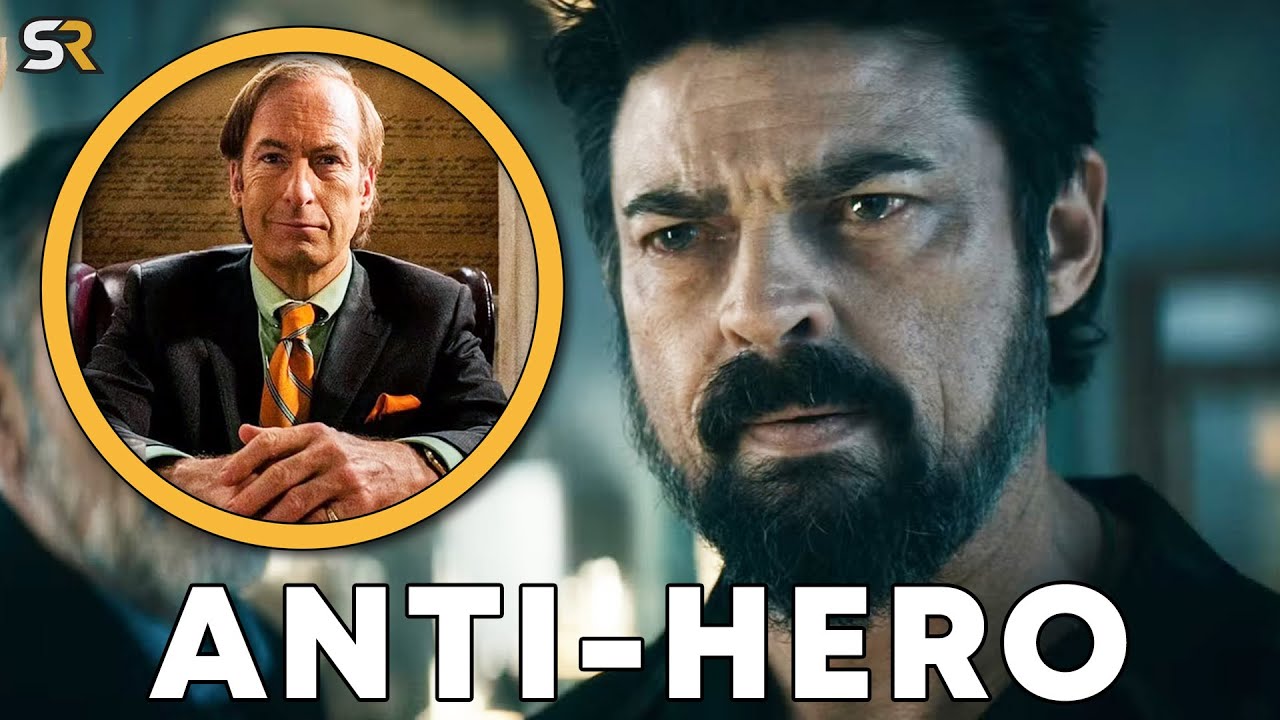
In 'Better Call Saul', Jimmy McGill starts as a lawyer hustling for his brother's approval, slowly transforming into Saul Goodman. The show captures his descent into criminal enterprises, with Bob Odenkirk earning praise for evoking audience empathy for a character who is morally questionable.
Viola Davis's Anelise Keading is a powerful yet flawed defense attorney and law professor in a male-dominated field. Her character's complexity arises from personal trauma, addictions, and moral ambiguity, gaining recognition as one of television's few complex female anti-heroes.
Billy Butcher from 'The Boys', played by Carl Urban, is an iconic anti-hero whose arc revolves around vengeance driven by personal loss. Butcher's storyline continually questions whether his extreme actions are justifiable against a villainous adversary.
James Gandolfini's Tony Soprano is considered the quintessential TV anti-hero. In 'The Sopranos', he plays a mafia boss grappling with mental health issues and family responsibilities, torn between his violent duties and flashes of humanity. This unresolved duality positions him as the ultimate anti-hero.
Do you think we got the list right? Who are your top five anti-heroes? Share your thoughts in the comments. Thanks for tuning in to Screen Rant.