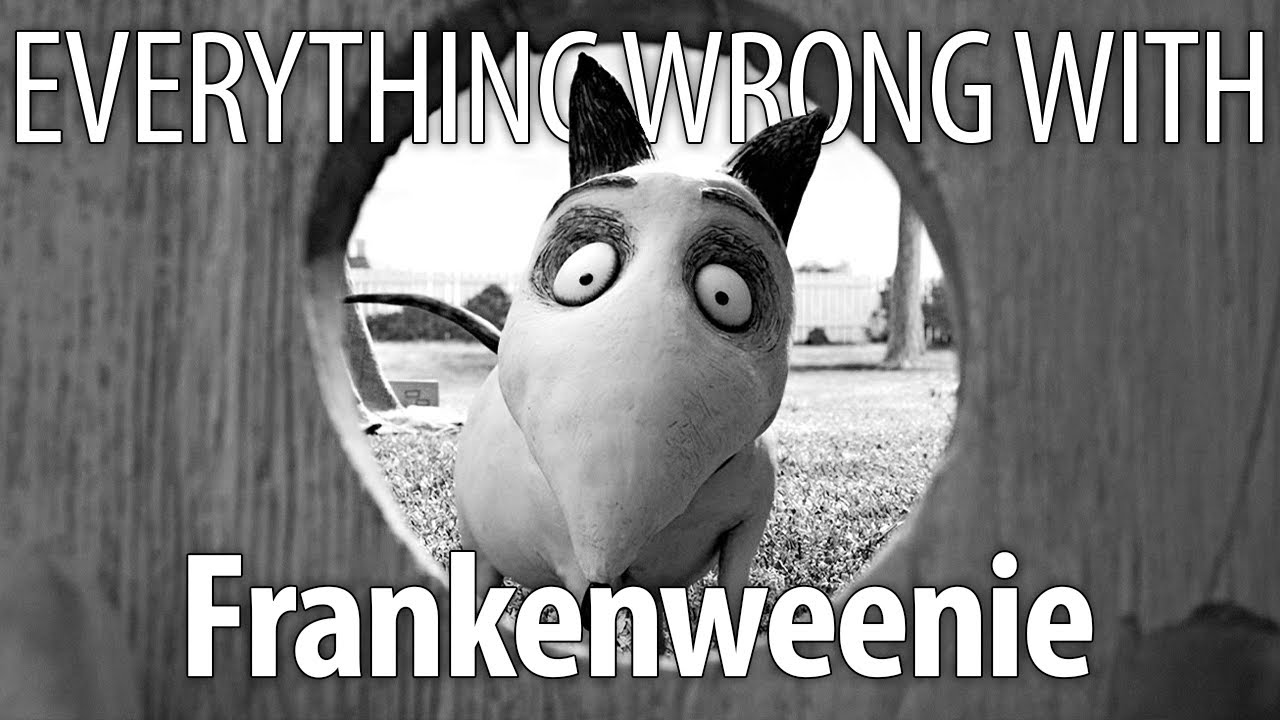
Tim Burton's "Frankenweenie" offers a visually unique experience, blending stop-motion animation with classic horror storytelling. The film, a tale about a boy named Victor who manages to bring his deceased dog Sparky back to life, utilizes black-and-white visuals to mimic traditional horror aesthetics, while incorporating stop-motion techniques that enhance its quirky narrative.
The narrative interlaces humor and homage, paying respect to classic horror tales while infusing Burton’s characteristic style. Whether through the reanimation techniques or the playful engagement with scientific obsession, "Frankenweenie" becomes a distinctive piece of animation art that stands out within Burton’s portfolio.
The choice of character names such as Victor Frankenstein and Elsa Van Helsing nods to the legendary figures of horror lore, adding a layer of depth for aficionados of the genre. Moreover, the film's ability to juggle satire, cultural references, and dark humor, without losing the emotional core of a child's bond with his pet, showcases Burton's skill in storytelling.
In exploring scientific themes, the film critiques society’s love-hate relationship with science through its whimsical yet critical lens, emphasizing the importance of understanding over fear. Whether appreciated for its technical brilliance or its nostalgic nod to the spooky classics, "Frankenweenie" embodies what makes Tim Burton’s vision unique in the realm of animated storytelling.