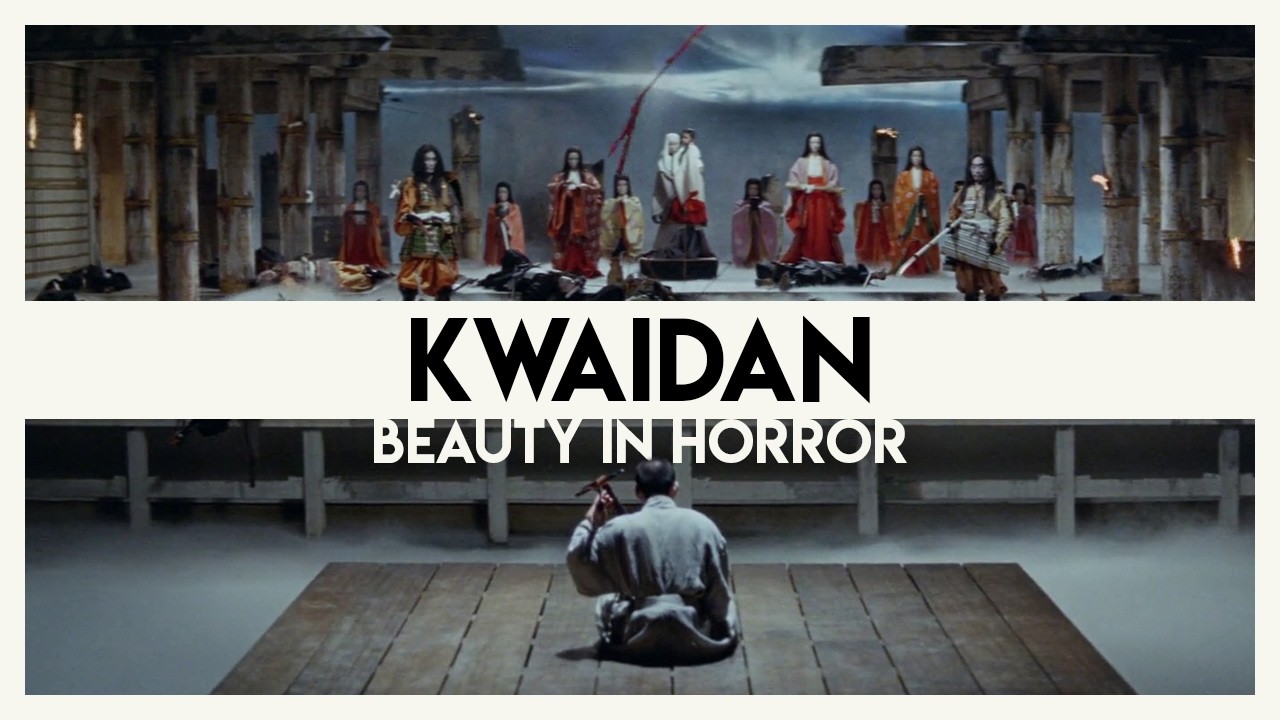
Kwaidan is a 1964 anthology epic that adapts four ghostly Japanese folk tales from Lafcadio Hearn's writings, known as Yakumo Koizumi in Japan. The film merges classical arts with new cinematic technologies, creating a deeply traditional and avant-garde experience. This intense stylization can be challenging to watch casually, but it offers great rewards to those who delve deeper into its meanings. We will focus on one of the four stories, "The Woman of the Snow," to preserve the spoiler-free enjoyment of the rest of the film, while referencing visuals from the entirety of Kwaidan to highlight what viewers should watch for.
"The Woman of the Snow" is set high in the mountains, where a young woodcutter and his elderly master take shelter during a fierce blizzard. They encounter a mysterious snow woman who spares the young man's life, warning him never to speak of the encounter. Years later, after marrying and starting a family with a beautiful young woman, he inadvertently breaks his silence, leading to an intense climax where past and present intersect.
Kwaidan was one of Japan's early ventures into color cinema, and its director, Masaki Kobayashi, masterfully used color to convey emotions and narrative. The film's visual style borrows heavily from Japanese woodblock prints, emphasizing solid colors and flattening images to create a painting-like quality. Kobayashi's use of color even aids in storytelling, tying specific hues to the emotions and fates of his characters.
The film is lauded for its incredible attention to detail, particularly in how it uses visuals to convey underlying meanings. It also draws possible allegorical connections to post-war Japan, reflective of Kobayashi's personal experiences and pacifist views. This attention to detail and subtlety makes Kwaidan a fascinating subject for analysis, inviting audiences to interpret its imagery and themes.