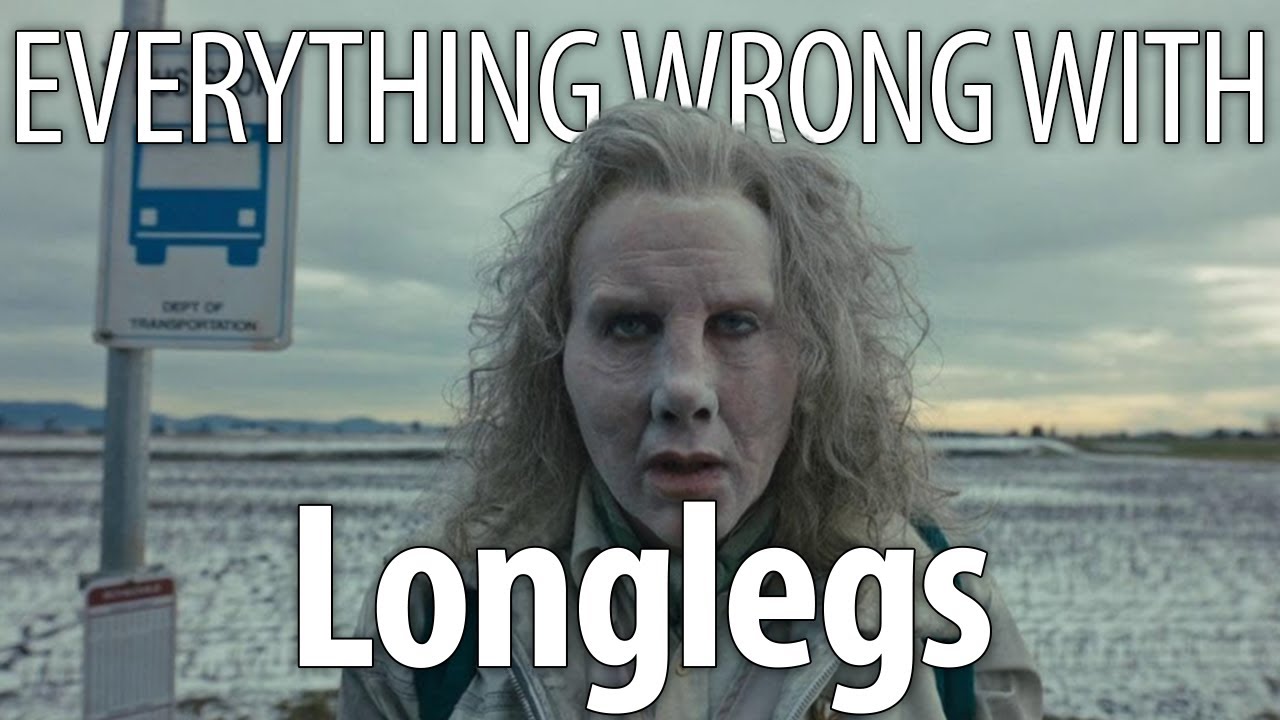
In the world of cinema, clichés and repetitive tropes often form the backbone of many thrillers and horror films. This analysis takes a comedic dive into these predictable narrative devices, offering a humorous critique of how they manifest on screen.
The monologue begins with a satirical nod to the extended display of studio logos, humorously suggesting that a simple punctuation addition might vastly improve them. It highlights the seemingly disruptive inclusion of unrelated poetic quotes or song lyrics as these films attempt to add layers of depth from the first frame.
Drawing attention to the predictability of filming techniques, it points out common framing mistakes, such as headroom errors, which are basics taught in film school but sometimes overlooked or exaggerated for artistic reasons. Further, there is a playful acknowledgment of the 'car driving slowly past a house' trope, typically signaling an upcoming home invasion or crime event, raising a chuckle as it relates to the viewer’s expectations.
Standard cinematic errors such as aggressive door-knocking by the FBI and insufficient investigative logic (like not using available forensic technology properly) are noted, humorously critiquing how these scenes often disregard realism for narrative convenience.
Delving into character interactions, the piece pokes fun at the unnecessary division of short movies into ‘named parts’, transforming an otherwise straightforward narrative into something seemingly profound. Character behaviors often depicted in film, such as eating habits assumed to somehow relate to significant plot points, are hilariously deconstructed.
The critique does not fail to highlight the absurdity of characters making unwise decisions, like investigating suspicious situations alone at night, pointing to faults in character logic driven by plot needs rather than realism. This mirrors the satirical flair of recognizing character titles and interactions that might make them seem less competent than their roles require, especially when comedic circumstances reveal their apparent ineptitudes.
In conclusion, the comedic examination reveals that despite the tension necessary for thrilling narratives, the use of repetitive clichés often leads to unintentionally humorous scenarios for viewers who recognize these well-worn paths. Thus, this analysis serves as both a loving parody and an astute reflection on the cinematic experience in thriller and horror genres.