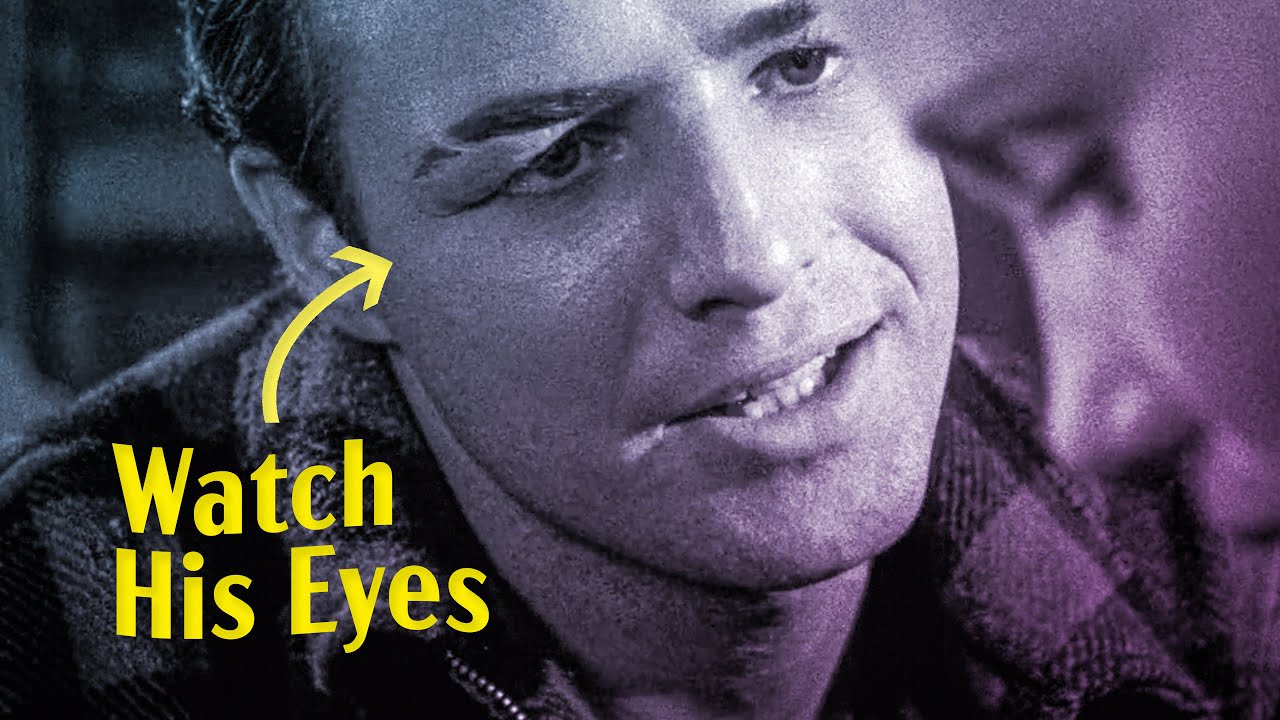
Marlon Brando's acting style in the 1950s was groundbreaking, drastically changing the conventions of cinema. In his performance in 'On the Waterfront', Brando did something remarkable and unconventional for that era of filmmaking. Actors were typically trained in theatrical techniques, delivering sharp articulation and clear emotions. However, Brando brought a sense of realism that was previously unseen.
One of the most iconic elements of his performance was his ability to imbue the character of Terry Malloy with genuine emotion. His distractions, his mumblings, and the subtle gestures portrayed a sense of authenticity. His contemplative glances and seemingly offhand gestures added layers to the character, making them more relatable and human. This was something audiences had not experienced before.
Brando's approach allowed the audience to see the inner struggle of his characters. When he downplayed the murder of his father with a shrug, or when his posture softened with vulnerability, these moments spoke volumes more than any scripted line could. These choices made Brando not only a powerful presence on screen but also a northerly inspiration for his contemporaries and successive generations of actors seeking to integrate a sense of veracity into their performances.
This revolutionary style has had a lasting impact on cinema and is seen as a pivotal change that influenced numerous actors to deviate from the stage-like delivery, opting for a more natural and emotionally driven portrayal that resonates with audiences to this day.